Achieving real savings at home starts with understanding how your house uses energy every day. From the attic to the thermostat, small changes can add up to meaningful reductions in utility costs while maintaining comfortable living spaces. This guide walks you through practical steps, common pitfalls, and smart upgrades that professionals use during a whole home energy audit to target efficiency without sacrificing performance. You’ll learn how to read energy bills, prioritize improvements, and plan a balanced approach that fits your budget and climate.
Understanding the foundations: weatherization basics and home energy efficiency
To build lasting comfort, start with weatherization basics and a clear view of home energy efficiency that positions your house to waste less energy year round and stay comfortable. lower electric bill This approach helps homeowners prioritize air sealing, insulation upgrades, and ductwork improvements before chasing high-tech solutions, ensuring you’re investing where it matters most.
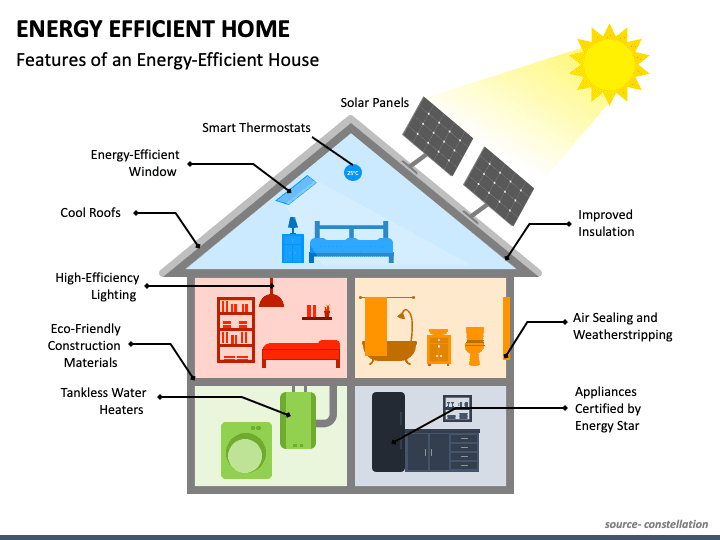
In practice, this means conducting a thorough home air leakage test and using a blower door test explained as part of a whole home energy audit to quantify leaks. Contractors often identify gaps around doors, windows, and attic hatches, then recommend targeted air sealing tips and insulation enhancements. A solid weatherization plan reduces heat transfer, minimizes drafts, and sets the stage for more efficient heating and cooling.
Cutting costs: how to read energy bills and cut your lower utility bill
A core part of reducing expenses is understanding where energy is consumed and how rates apply. In this section you’ll learn how to read an electric bill and how to read a gas bill so you can track usage, identify peak vs off peak periods, and spot phantom power usage that quietly drains energy. Click on Rubmd Armed with that knowledge, you can align thermostat practices, scheduling, and equipment maintenance to minimize waste and improve your lower utility bill consistently.
Seasonal energy savings play a big role in this effort, with specific tactics for summer energy savings at home and winter energy savings at home. For example, time of use rates explained can guide when you run large appliances or heat pumps, while smarter thermostat settings and remote temperature sensors help balance comfort with efficiency without sacrificing performance. Tracking these patterns over time makes it easier to justify upgrades that pay back in a reasonable horizon.
Planning for performance: hvac efficiency and the maintenance mindset
Efficient heating and cooling hinge on hvac efficiency and ongoing maintenance that keeps equipment operating as designed. In this section, a focus on comfort planning highlights balanced home comfort and energy use so you don’t trade convenience for savings. energy saving tips for homeowners Regular hvac maintenance, including a comprehensive hvac maintenance checklist and hvac tune up checklist, supports reliable performance and reduces the risk of sudden breakdowns.
Key diagnostics and performance checks, such as hvac diagnostics and hvac performance testing, help pinpoint issues like ac not cooling evenly or furnace not heating evenly. Early detection of reduced airflow causes, static pressure in hvac problems, and duct leakage signs can guide air balancing service and duct sealing efforts that improve overall comfort and efficiency. Properly sized equipment, guided by manual J load calculation and manual S equipment selection, is essential to avoid oversized or undersized systems that waste energy.
The science of air flow: ductwork, leaks, and air balancing for comfort
A comfortable home depends on clean, well-distributed air and minimal leakage, which means addressing ductwork airflow issues and implementing air sealing strategies. In this section we explore duct sizing guide concepts and the importance of proper duct design, including damper balancing in ducts and attic ductwork problems that can undermine efficiency. home energy efficiency When ducts are leaky or poorly sealed, you may experience hot or cold spots in house and weak airflow from vents, which can frustrate occupants and drive up energy use.
Practical steps include attic insulation upgrade and reviewing duct insulation r value to reduce thermal bridging, along with attic ventilation balance to maintain steady temperatures. For homes without usable ductwork or those considering alternative cooling options, mini split vs central air discussions and mini split sizing become relevant, offering flexible efficiency improvements with strong performance for zones or additions.
The ROI of smart upgrades: home efficiency upgrades and payoff
Investing in home efficiency upgrades should deliver tangible payoffs, but choosing the right projects requires a plan that considers payoff timelines and long-term comfort. In this section we examine the dynamics of home upgrade roi and efficiency upgrade payback so homeowners can prioritize improvements that deliver meaningful value. air sealing tips From high-efficiency heat pumps and heat pump performance tips to weatherization investments and air sealing, a thoughtful mix of upgrades can yield both comfort and cost savings.
We also cover practical budgeting concepts, including expected life spans, potential rebates, and the importance of aligning upgrades with your home’s unique layout and climate. A well-constructed plan reduces energy waste across seasons and helps you maintain balanced home comfort as temperatures swing, enhancing overall home systems performance and satisfaction.
Conclusion
A strategic focus on weatherization, air sealing, proper sizing, and proactive maintenance creates a durable foundation for low bills and high comfort. By incorporating energy saving tips for homeowners and following a structured audit path, you can transform your house into a highly efficient, comfortable place to live while you manage costs and plan future upgrades.

