Category: Uncategorized

  • Why Hiring Professional Printing Services Saves You Cash

    Businesses of each dimension rely on printed materials to promote products, share information, and build brand recognition. Brochures, flyers, banners, packaging, and business cards all play a role in marketing and operations. While some firms attempt to handle printing in house, professional printing services typically deliver much better value. Selecting a commercial print provider is just not just about quality. It’s also one of many smartest ways to reduce long term costs.

    Lower Cost Per Print By means of Bulk Production

    Professional printing services operate high volume equipment designed for efficiency. Commercial grade printers handle massive runs quickly and with minimal waste. This permits print shops to supply a much lower cost per unit compared to home or office printers.

    Whenever you print in house, small batches imply higher ink utilization per page, more frequent cartridge replacements, and larger paper waste resulting from errors or misfeeds. Professional printers purchase materials in bulk and pass these financial savings on to clients. Whether or not you need 500 brochures or 50,000 product inserts, bulk printing dramatically reduces the typical price of each piece.

    Reduced Equipment and Upkeep Expenses

    Owning and sustaining printing equipment could be surprisingly expensive. High quality printers, finishing machines, and specialty tools require massive upfront investments. On top of that, there are ongoing costs for repairs, replacement parts, and regular servicing.

    By outsourcing to professional printing services, businesses remove the need to purchase and keep this equipment. There is no such thing as a need to fret about breakdowns, calibration points, or costly upgrades. The print provider handles everything, permitting your budget to go toward growth instead of machinery.

    Much less Waste and Fewer Costly Mistakes

    Printing mistakes can quickly eat into your budget. Color mismatches, alignment errors, low resolution images, and incorrect sizing often lead to reprints. In house teams could not have the expertise or tools to catch these issues earlier than a full batch is printed.

    Professional print shops use prepress checks, shade management systems, and skilled technicians to ensure files are set up correctly. They provide proofs so you possibly can approve the design earlier than last production. This process significantly reduces the risk of enormous scale errors, saving money on wasted paper, ink, and time.

    Access to Cost Efficient Materials

    Professional printing services have access to a wide range of paper stocks, finishes, and specialty supplies at wholesale prices. They can recommend options that match your budget while still achieving a sophisticated look.

    For instance, a print expert would possibly suggest a slightly lighter paper weight that still feels premium but costs less per unit. They might additionally recommend digital printing instead of offset for shorter runs, which avoids costly setup fees. These small adjustments add up to major financial savings without sacrificing impact.

    Faster Turnround Saves Labor Costs

    Time is money in any business. In house printing typically slows down employees who must be centered on core tasks. Employees spend hours troubleshooting printers, adjusting layouts, or manually cutting and folding materials.

    Professional printing services streamline all the process. With industrial equipment and trained teams, they full jobs quickly and accurately. Faster turnround means your workers can keep productive, and your marketing materials reach clients sooner. That effectivity directly interprets into monetary savings.

    Constant Quality Protects Your Brand Investment

    Poor print quality can damage your brand image and reduce the effectiveness of your marketing. If flyers look faded or business cards feel flimsy, potential customers might form negative impressions. Reprinting to fix these points costs even more.

    Professional printers use high resolution technology and precise coloration control to deliver constant, high quality results. Durable inks and proper finishing additionally extend the lifetime of printed materials, so you do not need to reorder as often. Protecting your brand presentation in the end protects your marketing investment.

    Smart Printing Is Smart Spending

    Hiring professional printing services is just not an additional expense. It’s a strategic resolution that lowers production costs, reduces waste, improves effectivity, and ensures better results. From bulk pricing to professional guidance, commercial printers help businesses get more value from every print project while keeping budgets under control.

    When you have just about any issues about where and the way to work with Best online print services, you’ll be able to e mail us in the web site.


  • What Makes a Great CEO Candidate Stand Out to Recruiters

    Hiring a chief executive officer is one of the most important choices a company will ever make. Executive recruiters are usually not just filling a leadership role. They are searching for someone who can guide long term strategy, encourage teams, protect the company’s popularity, and deliver measurable results. The strongest CEO candidates separate themselves through a mix of leadership presence, enterprise performance, and the ability to shape the way forward for an organization.

    Proven Track Record of Outcomes

    Recruiters look first at performance. A standout CEO candidate can point to clear, measurable achievements in previous roles. This consists of revenue growth, market expansion, successful turnarounds, or scaling operations efficiently. Numbers matter because they show the candidate can translate strategy into outcomes.

    Nonetheless, it is just not only about progress throughout straightforward periods. Recruiters pay close attention to how leaders performed throughout downturns, industry disruptions, or inside crises. Executives who navigated uncertainty while maintaining stability and morale acquire sturdy credibility.

    Strategic Vision With Execution Skills

    An awesome CEO candidate thinks past quarterly results. Recruiters need leaders who understand market trends, competitive positioning, and emerging risks. They should be able to articulate the place the corporate should be in three, five, or ten years.

    Vision alone will not be enough. The best candidates also show how they turned strategy into action. They describe how they aligned teams, prioritized investments, and built systems that made execution consistent. This balance between big image thinking and operational self-discipline makes a candidate far more attractive.

    Robust Leadership Presence

    Executive recruiters constantly highlight leadership presence as a defining trait. This is the ability to command a room, talk clearly, and encourage confidence amongst employees, board members, and investors. A standout CEO candidate projects calm authority, especially under pressure.

    Presence also shows in how leaders work together with others. Essentially the most compelling candidates listen actively, ask considerate questions, and make individuals feel heard. They build trust quickly, which is essential for leading giant and diverse organizations.

    Cultural and Organizational Fit

    Even a powerful executive can fail if they don’t align with a company’s culture. Recruiters assess whether a CEO candidate’s leadership style fits the organization’s values, tempo, and resolution making approach. For instance, a highly hierarchical leader may battle in a collaborative, innovation driven environment.

    Top candidates show adaptability. They will lead different types of teams and respect existing strengths within the organization. Fairly than imposing change blindly, they evaluate what needs to be preserved and what must evolve.

    Ability to Build and Lead High Performing Teams

    No CEO succeeds alone. Recruiters want leaders who have built robust executive teams and developed future leaders. An excellent CEO candidate demonstrates a history of hiring well, mentoring talent, and creating accountability at the senior level.

    This includes making tough folks decisions when necessary. Candidates who show they’ll address underperformance respectfully and decisively signal that they will protect the corporate’s long term health.

    Financial and Operational Acumen

    Boards and investors expect CEOs to understand financial drivers deeply. Recruiters favor candidates who’re comfortable discussing margins, cash flow, capital allocation, and operational efficiency. They should be able to explain how their choices improved profitability or strengthened the balance sheet.

    Operational knowledge is equally important. Whether or not the business is product based, service oriented, or technology focused, standout candidates know how the group really delivers value to customers.

    Communication With Stakeholders

    Modern CEOs should talk with many audiences, including employees, prospects, regulators, media, and shareholders. Recruiters look for candidates who can tailor messages without losing authenticity. They should be able to simplify complex topics and speak with clarity during both success and challenge.

    Public credibility additionally matters. Leaders who have represented their organizations well in high visibility situations show they can protect and enhance the corporate’s reputation.

    Change Leadership and Resilience

    Business environments shift quickly. A terrific CEO candidate shows a history of leading transformation, whether digital modernization, restructuring, or coming into new markets. Recruiters value leaders who approach change with construction, empathy, and persistence.

    Resilience is closely connected. Candidates who demonstrate composure, optimism, and steady resolution making throughout setbacks stand out as leaders who can guide corporations through uncertainty while keeping teams focused and motivated.

    If you cherished this article and you would like to obtain extra facts pertaining to top executive recruiting firms kindly go to the webpage.

  • What Industries Rely Most on CFO Recruiting Firms

    CFO recruiting firms play a critical function in helping organizations secure monetary leadership that can guide strategy, manage risk, and drive growth. While nearly every sector can benefit from specialized financial talent, certain industries depend far more closely on executive search partners when hiring a Chief Financial Officer. These industries usually face complex regulations, rapid change, high capital calls for, or intense investor scrutiny, making the CFO function particularly strategic.

    Healthcare and Life Sciences

    Healthcare organizations operate in probably the most heavily regulated environments within the world. Hospitals, private clinics, pharmaceutical companies, and biotech startups must navigate reimbursement models, government programs, insurance contracts, and strict compliance requirements. A CFO in this sector wants deep knowledge of healthcare finance, regulatory reporting, and cost control across giant, advanced systems.

    CFO recruiting firms are regularly used right here because the talent pool with both monetary expertise and healthcare-specific expertise is limited. Life sciences corporations, particularly those in clinical trial or pre-revenue stages, also want CFOs who understand fundraising cycles, grant funding, and partnerships with research institutions. Executive search specialists help match these niche requirements with leaders who can handle both financial oversight and long-term growth planning.

    Technology and SaaS Corporations

    The technology sector, including software as a service companies, relies heavily on CFO recruiting firms on account of its fast tempo and distinctive monetary models. Subscription income, recurring billing, customer acquisition costs, and lifetime value metrics all require a CFO who understands data-driven monetary strategy.

    Startups and scaleups usually move from early funding rounds to venture capital and private equity backing, then toward potential public offerings. Every stage demands a distinct level of economic leadership. CFO recruiting firms help founders and boards identify candidates who’ve expertise with rapid scaling, international expansion, and investor relations. In competitive tech markets, executive search firms additionally play a key role in attracting passive candidates who are usually not actively job hunting but have the suitable background.

    Manufacturing and Industrial Businesses

    Manufacturing corporations deal with advanced provide chains, capital-intensive operations, and global trade considerations. CFOs in this trade must manage inventory costs, production efficiency, raw material price volatility, and large capital expenditures for equipment and facilities.

    Because of those demands, many producers turn to CFO recruiting firms when replacing or adding financial leadership. The perfect candidate often needs expertise in lean operations, cost accounting, and cross-border monetary management. Executive search partners can evaluate not only technical accounting skills but additionally operational finance expertise, which is essential in production-centered businesses.

    Monetary Services and Fintech

    Banks, asset managers, insurance firms, and fintech startups all require CFOs with deep regulatory knowledge and risk management experience. Financial reporting standards, capital adequacy rules, and oversight from regulatory authorities make this probably the most specialized CFO roles.

    Fintech companies, in particular, mix the complexity of financial services with the speed of technology firms. CFO recruiting firms help these businesses discover leaders who understand both compliance and innovation. The suitable CFO should balance progress ambitions with strict internal controls, fraud prevention, and data security. Executive recruiters with business focus are sometimes the only practical way to succeed in candidates who have efficiently worked in related hybrid environments.

    Private Equity Portfolio Firms

    Private equity firms regularly depend on CFO recruiting firms for their portfolio companies. When a private equity group acquires a enterprise, one of many first leadership roles they assess is the CFO. They often want someone who can improve financial reporting, implement stronger controls, and prepare the corporate for a future sale or public offering.

    These CFOs have to be comfortable with performance metrics, debt structures, and value creation plans. Recruiting firms with private equity expertise understand the urgency and performance expectations involved. They will determine leaders who have gone through multiple investment cycles and know how to work intently with boards and investors.

    Energy and Infrastructure

    Energy corporations, utilities, and infrastructure builders manage large-scale projects with long timelines and significant regulatory oversight. Capital planning, project financing, and risk management are central to the CFO function in these industries.

    CFO recruiting firms are sometimes engaged to find candidates who have experience with project finance, government contracts, and public-private partnerships. The dimensions and sophisticatedity of these organizations make executive search a more reliable route than traditional hiring methods.

    Throughout these industries, the frequent thread is advancedity, risk, and development pressure. CFO recruiting firms provide access to specialised monetary leaders who can step into high-stakes roles and deliver rapid strategic impact.

  • Buying vs Renting Heavy Machinery: What Makes More Monetary Sense

    Buying or renting heavy machinery is without doubt one of the biggest financial choices a building or industrial business can make. Excavators, bulldozers, loaders, and cranes come with high value tags, and the improper alternative can tie up capital or drain cash flow. Understanding the monetary impact of heavy equipment rental versus shopping for helps businesses protect margins and keep flexible in changing markets.

    Upfront Costs and Cash Flow

    Buying heavy machinery requires a significant upfront investment. Even with building equipment financing, down payments, loan interest, and insurance costs add up quickly. This can limit available cash for payroll, supplies, or bidding on new projects.

    Renting, however, keeps initial costs low. Instead of a big capital expense, firms pay predictable rental fees. This improves brief term cash flow and allows companies, especially small or growing contractors, to take on more work without being weighed down by debt.

    Total Cost of Ownership

    Ownership includes more than the purchase price. The total cost of ownership consists of upkeep, repairs, storage, transportation, fuel inefficiencies over time, and eventual resale value. Heavy machinery also depreciates, sometimes faster than expected if new models with better technology enter the market.

    When renting heavy equipment, many of these hidden costs disappear. Rental providers typically handle major repairs and maintenance. If a machine breaks down, it is often replaced quickly, reducing downtime. For firms that do not have in house mechanics or maintenance facilities, this can characterize major savings.

    Equipment Utilization Rate

    How usually the machinery will be used is among the most vital monetary factors. If a machine is needed day by day throughout a number of long term projects, shopping for could make more sense. High utilization spreads the purchase cost over many billable hours, lowering the cost per use.

    Nevertheless, if equipment is only wanted for particular phases of a project or for infrequent specialized tasks, renting is usually more economical. Paying for a machine that sits idle most of the 12 months leads to poor return on investment. Rental permits companies to match equipment costs directly to project timelines.

    Flexibility and Technology

    Development technology evolves rapidly. Newer machines usually supply better fuel effectivity, improved safety features, and advanced telematics. Owning equipment can lock a company into older technology for years, unless they sell and reinvest, usually at a loss.

    Renting provides flexibility. Corporations can choose the right machine for each job and access the latest models without long term commitment. This can improve productivity and assist win bids that require specific equipment standards.

    Tax and Accounting Considerations

    Buying heavy machinery can supply tax advantages, resembling depreciation deductions. In some regions, accelerated depreciation or special tax incentives can make shopping for more attractive from an accounting perspective.

    Renting is typically treated as an operating expense, which also can provide tax benefits by reducing taxable income in the year the expense occurs. The better option depends on a company’s financial structure, profitability, and long term planning. Consulting with a monetary advisor or accountant is necessary when evaluating these benefits.

    Risk and Market Uncertainty

    Construction demand will be unpredictable. Financial slowdowns, project delays, or lost contracts can depart firms with costly idle equipment and ongoing loan payments. Ownership carries higher financial risk in unstable markets.

    Rental reduces this risk. When work slows, equipment can simply be returned, stopping additional expense. This scalability is particularly valuable for companies working in seasonal industries or regions with fluctuating project pipelines.

    Resale Value and Asset Management

    Owned machinery turns into a company asset that can be sold later. If well maintained and in demand, resale can recover part of the unique investment. Nevertheless, resale markets might be unsure, and older or closely used machines could sell for far less than expected.

    Renting eliminates considerations about asset disposal, market timing, and equipment aging. Companies can focus on operations instead of managing fleets and resale strategies.

    Probably the most financially sound choice between buying and renting heavy machinery depends on usage frequency, cash flow, risk tolerance, and long term enterprise goals. Careful evaluation of total costs, flexibility wants, and market conditions ensures equipment selections assist profitability somewhat than strain it.

  • How Printing Services Help Build Robust Corporate Identity

    A strong corporate identity shapes how clients acknowledge, keep in mind, and trust a business. While digital branding plays a major role, physical materials remain highly effective tools for creating an enduring impression. Professional printing services help corporations current a consistent, polished image throughout every contactpoint, reinforcing brand values and strengthening market presence.

    Consistency Across All Brand Supplies

    Corporate identity relies heavily on visual consistency. Logos, color palettes, typography, and messaging ought to look the same whether or not they seem on a enterprise card, brochure, or storeentrance sign. Professional printing services be sure that brand elements are reproduced accurately every time. Color matching systems, high resolution output, and quality control processes stop variations that would weaken brand recognition.

    When prospects repeatedly see the same visual style on printed materials, they develop familiarity with the brand. This consistency builds trust and makes the company seem more established and reliable.

    Professional Quality Enhances Credibility

    The quality of printed supplies directly affects how a business is perceived. Low quality printing, faded colours, or flimsy paper can make even a strong brand look unprofessional. High quality printing services offer premium paper stocks, advanced finishing options, and sharp image reproduction that elevate the overall presentation.

    Well printed supplies signal attention to detail and a commitment to excellence. This perception transfers to the products or services offered by the company, improving credibility and buyer confidence.

    Branded Stationery Strengthens Daily Visibility

    Stationery comparable to letterheads, envelopes, and notepads could seem simple, however they play a significant function in corporate identity. Every invoice, contract, or official letter despatched on branded stationery reinforces the company’s image. Printing services guarantee these materials align completely with the brand’s design standards.

    Branded stationery additionally enhances inside culture. Employees using professionally printed supplies feel more linked to the organization’s identity, which supports a unified brand presence both inside and outside the company.

    Marketing Materials That Reflect Brand Personality

    Brochures, flyers, catalogs, and presentation folders are key tools for speaking an organization’s story. Printing services help transform digital designs into tangible supplies that replicate the brand’s personality. Choices in paper texture, finish, and format can communicate sophistication, innovation, eco consciousness, or bold creativity.

    For instance, a luxurious brand could select thick, matte coated paper with embossed details, while a modern tech company would possibly go for clean layouts with sleek finishes. These physical cues reinforce the intended brand message in a way that digital formats alone can’t achieve.

    Impactful Business Cards and First Impressions

    Enterprise cards are often the primary physical illustration of a brand that somebody receives. A well designed and professionally printed card leaves a robust, memorable impression. Printing services supply options equivalent to spot UV coating, foil stamping, and custom shapes that help businesses stand out while maintaining brand consistency.

    Because business cards are exchanged during networking and meetings, they act as portable brand ambassadors. High quality printing ensures that this small however essential tool reflects the professionalism of the company.

    Large Format Printing for Brand Visibility

    Corporate identity extends beyond paper materials to physical spaces. Large format printing includes banners, posters, window graphics, trade show displays, and signage. These items make a brand seen in offices, retail environments, and public events.

    Professional printing services be certain that large visuals preserve color accuracy and clarity at scale. Constant branding throughout physical spaces strengthens recognition and creates immersive brand experiences that go away lasting impressions on customers and partners.

    Packaging as a Branding Tool

    For product based companies, packaging is a critical part of corporate identity. Custom printed boxes, labels, and inserts communicate brand values before customers even use the product. High quality printing allows firms to integrate logos, brand colors, and messaging into every facet of the packaging design.

    Thoughtful printed packaging enhances perceived value and helps products stand out on shelves or in on-line unboxing experiences. This reinforces brand identity and encourages repeat purchases.

    Supporting Long Term Brand Recognition

    Over time, repeated exposure to constant, high quality printed materials builds robust brand recognition. Clients begin to associate specific colours, design styles, and visual elements with the company. Professional printing services play a key role in maintaining this consistency across campaigns, areas, and product lines.

    By investing in reliable printing partners, companies make sure that every physical representation of their brand helps a cohesive and professional corporate identity that stands out in a competitive marketplace.

    If you have any queries with regards to the place and how to use Cheap printing companies, you can call us at the webpage.

  • The Benefits of On-Demand Printing for Small Businesses

    On-demand printing has changed how small businesses create, sell, and promote products. Instead of ordering large quantities of printed materials upfront, business owners can produce items only when a customer places an order. This versatile model, usually called print on demand, reduces risk, lowers costs, and opens the door to artistic new opportunities.

    Lower Upfront Costs

    One of many biggest advantages of on-demand printing for small companies is the minimal startup investment. Traditional printing often requires bulk orders to get reasonable pricing. Which means paying for hundreds or thousands of items earlier than knowing in the event that they will sell.

    With on-demand printing, you only pay to produce an item after a sale is made. This protects cash flow and makes it easier to test new concepts without a large financial commitment. Startups and solo entrepreneurs benefit probably the most because they will launch product lines without tying up cash in unsold inventory.

    No Want for Stock Storage

    Inventory management can quickly change into a headache. Storing boxes of printed products takes space and organization. Unsold stock can also develop into outdated or damaged, leading to wasted money.

    Print on demand eliminates the need to hold inventory. Products are created as orders come in and shipped directly to customers. This reduces storage costs and simplifies operations. Small companies can focus more on marketing, customer service, and progress instead of managing physical stock.

    Easier Product Testing

    Small businesses usually succeed by being agile. On-demand printing supports this by making it easy to test new designs, slogans, and product types.

    For instance, a brand can release a number of t-shirt designs and quickly see which ones generate the most sales. In style items may be promoted more heavily, while underperforming designs will be removed without financial loss. This data-pushed approach helps companies refine their choices based on real buyer demand.

    Broad Range of Custom Products

    On-demand printing is just not limited to paper. Small companies can offer customized attire, mugs, phone cases, tote bags, posters, and more. This selection permits brands to expand their product catalogs without investing in equipment or inventory.

    Offering customized printed products additionally strengthens brand identity. Logos, artwork, and unique messages can be added to on a regular basis items, turning them into marketing tools. Customers who purchase and use these products successfully promote the brand in their daily lives.

    Simplified Fulfillment and Shipping

    Many on-demand printing services handle the complete production and shipping process. As soon as a customer places an order, the provider prints the product, packages it, and ships it directly to the buyer.

    This fingers-off fulfillment model saves time and reduces the advancedity of running a web based store. Small enterprise owners do not must manage printers, packaging provides, or shipping logistics. That means fewer operational challenges and more time to give attention to sales and strategy.

    Lower Risk When Scaling

    Growth will be risky when it requires giant investments in inventory and equipment. On-demand printing allows small businesses to scale more safely.

    As order volume will increase, production scales automatically through the print provider. There is no want to purchase costly machines or hire additional staff right away. This makes it easier to handle seasonal spikes or sudden popularity without overextending resources.

    Eco Friendly Advantages

    Producing only what is sold can also reduce waste. Traditional bulk printing often leads to excess stock that ends up discarded. On-demand printing helps limit overproduction, which is best for each business finances and the environment.

    Some providers additionally offer sustainable materials and eco friendly inks, permitting small businesses to align their products with environmentally conscious values. This can enchantment to clients who prefer to help accountable brands.

    Stronger Focus on Marketing and Creativity

    By removing the burden of stock and production management, on-demand printing frees up time and mental energy. Small business owners can invest more effort into branding, content material creation, and customer engagement.

    Inventive marketing campaigns, limited edition designs, and personalized products develop into easier to execute. This flexibility helps small companies stay competitive and related in fast-moving markets.

    On-demand printing gives small businesses the tools to operate lean, experiment freely, and grow with less financial pressure. For entrepreneurs looking to sell custom products or branded merchandise, this model provides a practical and scalable path forward.

    For those who have almost any questions concerning exactly where in addition to the best way to employ B2B printing services, you can e-mail us at our web site.

  • Easy methods to Choose the Right Executive Recruiting Firm for Your Firm

    Hiring senior leadership is one of the most essential choices a company can make. The precise executive recruiting firm might help you secure transformative leaders, while the fallacious choice can cost time, cash, and momentum. With many executive search firms competing to your attention, knowing the best way to consider and select the best partner is essential for long term success.

    Understand Your Hiring Needs First

    Earlier than contacting any executive recruiting firm, define precisely what you need. Are you hiring a CEO, CFO, CTO, or another C suite role? Is the focus on turnaround leadership, speedy growth, international growth, or cultural transformation?

    Clarity round position expectations, required expertise, and leadership style helps recruiters target the precise talent. A robust executive search partner will refine your temporary, but you have to start with a transparent vision of what success looks like in the role.

    Look for Trade and Functional Expertise

    Not all executive recruiting firms specialize in the same markets. Some deal with technology leadership, others on healthcare, manufacturing, or monetary services. Selecting a firm with deep knowledge of your industry improves candidate quality and speeds up the search process.

    For instance, world firms like Korn Ferry and Spencer Stuart operate across many sectors however still preserve specialized practice groups. Boutique firms may offer even deeper experience in a single niche. The key is finding recruiters who understand your competitive panorama, talent pools, and leadership challenges.

    Consider Their Search Process

    A professional executive recruiting firm should have a structured and transparent search methodology. Ask about:

    How they define the candidate profile

    Where and how they source candidates

    How they assess leadership capabilities

    How they current brieflists

    How they manage confidentiality

    Top firms akin to Heidrick & Struggles and Russell Reynolds Associates are known for rigorous assessment frameworks that go beyond resumes. Behavioral interviews, leadership assessments, and cultural fit evaluation are critical for senior roles.

    Assess Network Energy and Attain

    The most effective executive talent isn’t actively job hunting. Executive recruiting firms must proactively approach passive candidates through trusted networks. Ask how in depth their relationships are within your trade and geography.

    If you are hiring internationally or expanding into new markets, select a firm with a global footprint. Cross border executive search requires local knowledge, cultural awareness, and access to regional leadership communities.

    Consider Cultural Fit With Your Organization

    An executive recruiting firm represents your organization in the market. Their communication style, professionalism, and understanding of your culture will directly influence how candidates understand your brand.

    During early conversations, notice how well the firm listens and the way quickly they grasp your values and leadership philosophy. A strong cultural match between your company and the search partner leads to better candidate alignment and smoother collaboration.

    Review Track Record and References

    Experience matters in executive search. Ask for case studies or examples of similar roles they have filled. Look for evidence of long term placements and repeat consumer relationships.

    Shopper references are particularly valuable. Speaking with previous shoppers helps you understand how the firm handles challenges, manages timelines, and helps negotiations. Constant success in placing senior leaders is a robust indicator of reliability.

    Understand the Price Structure

    Most executive recruiting firms work on a retained search model, meaning fees are paid in levels throughout the process. Make sure you understand what’s included, similar to candidate assessment, replacement ensures, and onboarding support.

    The cheapest option isn’t the best for executive hiring. Focus on value, quality of candidates, and long term impact moderately than just upfront cost.

    Prioritize Long Term Partnership Potential

    The best executive recruiting firms act as strategic talent advisors, not just resume providers. They offer market insights, compensation benchmarking, and succession planning guidance.

    Choosing a firm that can support a number of leadership hires over time creates consistency in your hiring strategy and strengthens your leadership pipeline. A real partnership approach leads to better choices and stronger executive teams.

    If you have any questions pertaining to where and the best ways to utilize top 20 executive search firms, you can call us at the web site.

  • Estilos de vestidos de moda – Explora tendencias modernas de moda para cada ocasión

    En este post te contamos ideas para que puedas encontrar el outfit ideal.

    Trendy Dress Styles: Explore Modern Fashion Trends for Every Occasion

    Para un evento formal, opta por un vestido largo con cortes elegantes y tejidos fluidos. Los tonos oscuros, como el azul marino o el burdeos, son ideales para transmitir sofisticación. Complementa con accesorios minimalistas y un peinado pulido.

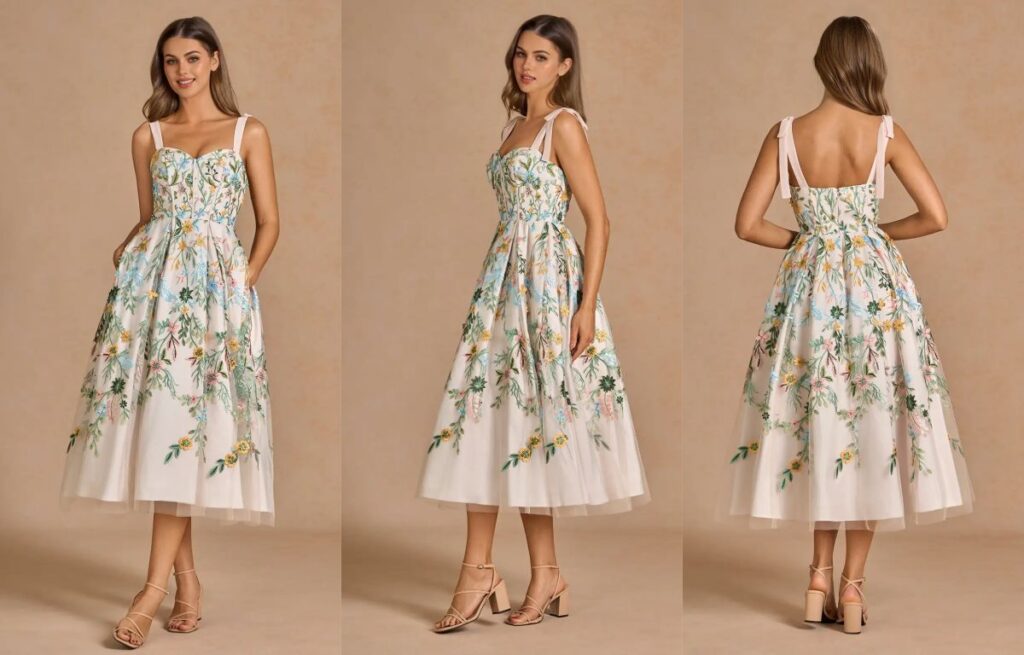
    En ocasiones más informales, considera un vestido midi con estampados florales o geométricos. Este tipo de prenda es versátil y se puede combinar con zapatillas o sandalias, dependiendo del ambiente. Los colores vibrantes aportan frescura y alegría a tu atuendo.

    Si quieres algo para el día a día, un vestido camisero es una excelente elección. Su diseño cómodo y práctico permite múltiples combinaciones, desde botas hasta zapatillas. Los tonos neutros o pasteles son perfectos para un look relajado y chic.

    Para las noches de verano, un vestido corto con tirantes es ideal. Los tejidos ligeros y los colores claros te mantendrán fresca. Añade un sombrero de ala ancha y gafas de sol para un toque de estilo adicional.

    Casual Dress Styles for Everyday Wear

    Casual Dress Styles for Everyday Wear

    Los vestidos de algodón son ideales para el uso diario. Ofrecen comodidad y fáciles de combinar a diferentes calzado. Opta por aquellos con motivos sencillos o tonos neutros.

    Los vestidos camiseros son otra opción práctica. Puedes llevarlos con cinturones decorativos para definir la cintura. Únelos con tenis para un look relajado.

    Las prendas midi son perfectos para días de trabajo o salidas informales. Elige aquellos con mangas cortas o mangas largas para adaptarte a la clima. Los colores pastel son una excelente opción.

    es elástica

    Los modelos de vaquero son un básico en cualquier armario. Tienen buena resistencia y se pueden modificar con complementos como cinturones. Intenta combinarlos con botas.

    Los modelos de tejido suave son perfectos para un look relajado. Tienen un peso ligero y fáciles de llevar. Incorpora una chaqueta de mezclilla para completar el atuendo.

    What Makes a Dress Casual Yet Stylish?

    What Makes a Dress Casual Yet Stylish?

    La clave para lograr un atuendo relajado pero con estilo radica en la elección de tejidos ligeros y cortes limpios. Opta por jersey que permita la ventilación y que se ajuste cómodamente al cuerpo.

    sólidos para no sobrecargar

    Los colores neutros o pastel son ideales, ya que combinan fácilmente con otros elementos del guardarropa. Considera patrones discretos como rayas o pequeños puntos para añadir un toque de interés sin sobrecargar el look.

    Es perfecta para un look

    Un corte midi o maxi puede ser práctico, permitiendo movimiento mientras se mantiene una apariencia cuidada. Los detalles como cinturillas elásticas pueden añadir funcionalidad sin sacrificar el estilo.

    Complementa con calzado cómodos, como sandalias planas, que aporten un aire desenfadado. Accesorios sutiles, manualidades como pendientes delicadas, pueden realzar el conjunto sin hacerlo demasiado formal.

    Tejidos Cortes Colores Calzado
    Algodón Midi Neutros Zapatillas
    Lino Maxi Pastel Sandalias planas
    Jersey Sencillo Rayas Botines cómodos

    La combinación de estos elementos asegura un look relajado pero atractivo, perfecto para salidas casuales o ocasiones informales.

    Best Fabrics for Comfortable Casual Dresses

    El algodón es una opción excelente por su transpirabilidad y suavidad. Ideal para climas cálidos, permite que la piel respire y se siente agradable al tacto.

    La viscosa, derivada de la pulpa de madera, ofrece una caída hermosa y es muy ligera. Es perfecta para un look relajado y cómodo.

    El lino es conocido por su frescura y capacidad de absorción. Aunque tiende a arrugarse, su textura natural aporta un encanto especial.

    La mezcla de poliéster y algodón combina durabilidad y comodidad. Este tejido es fácil de cuidar y mantiene su forma después del lavado.

    La tela de jersey es elástica y se adapta al cuerpo, proporcionando libertad de movimiento. Es ideal para un estilo casual y desenfadado.

    seda, el

    • Algodón: transpirabilidad y suavidad.
    • Viscosa: caída hermosa y ligera.
    • Lino: frescura y absorción.
    • Mezcla de poliéster y algodón: durabilidad y fácil cuidado.
    • Tela de jersey: elasticidad y comodidad.

    Considera también el modal, que es suave y resistente a las arrugas, ofreciendo un acabado lujoso. Este tejido es ideal para un look casual pero pulido.

    La microfibra es otra opción que proporciona una sensación de suavidad y es muy ligera, perfecta para climas cálidos.

    1. Modal: suave y resistente a arrugas.
    2. Microfibra: ligera y suave.

    Seleccionar el tejido adecuado puede transformar un atuendo cotidiano en algo especial, asegurando comodidad y estilo al mismo tiempo.

    Accessorizing Casual Dresses: Tips and Tricks

    Accessorizing Casual Dresses: Tips and Tricks

    Opta por joyas minimalistas que complementen tu atuendo sin abrumarlo. Un collar delicado o unos pendientes pequeños pueden añadir un toque de elegancia.

    Incorpora cinturones para definir la cintura. Un cinturón de cuero o tejido puede transformar un vestido suelto en una silueta más ajustada y estilizada.

    Las bufandas son versátiles; elige una en un color que contraste o que complemente tu atuendo. Puedes llevarla al cuello o atada a la bolsa para un efecto chic.

    Los zapatos juegan un papel crucial. Un par de zapatillas blancas ofrecen un look casual, mientras que unas sandalias de tacón pueden elevar el conjunto para una salida nocturna.

    Las bolsos deben ser prácticos y a la vez estilizados. Opta por un tote grande para el día o un clutch elegante para la noche.

    Considera sombreros para un toque de personalidad. Un sombrero de ala ancha puede ser ideal para un día soleado, mientras que una boina añade un aire bohemio.

    Finalmente, no subestimes el poder de los accesorios para el cabello. Diademas o pinzas pueden ser detalles que marquen la diferencia en tu look.

    Top Casual Dress Trends of the Year

    Las prendas de corte midi son imprescindibles. Su longitud versátil permite combinarlas con zapatos deportivos o botines, adaptándose a diversas situaciones. Opta por colores neutros o estampados florales para un toque fresco.

    Los modelos de tirantes anchos están en auge. Este diseño favorece la comodidad y se puede llevar con chaquetas ligeras o cardigans en climas más frescos. Busca tejidos suaves que se ajusten bien al cuerpo.

    Las opciones de mezclilla son un clásico renovado. Las faldas y vestidos de mezclilla ofrecen un aire desenfadado y se pueden combinar con camisetas básicas o blusas elegantes. Considera los detalles como rotos o bordados para un estilo único.

    Los modelos con estampados abstractos están ganando popularidad. Estos diseños aportan un toque artístico y se pueden llevar con accesorios sencillos para equilibrar el look. Elige calzado en tonos sólidos para no sobrecargar el conjunto.

    Las prendas de corte asimétrico ofrecen un aire moderno. Este estilo se puede encontrar en faldas y vestidos, creando un efecto visual interesante. Combínalas con sandalias o botas para un look equilibrado.

    Formal Dress Styles for Special Events

    Formal Dress Styles for Special Events

    Los vestidos largos son ideales para celebraciones elegantes. Opta un modelo con cuello redondo para enfatizar la figura. Paletas neutras como el negro o el azul marino aportan un aire de sofisticación.

    Los trajes son una elección moderna. Añade una blusa de seda o encaje para finalizar el look. Complementos como un cinturón delgado pueden definir la cintura.

    Las opciones a media pierna son perfectos para eventos semi-formales. Selecciona un diseño con motivos discretos para incorporar un toque de distinción.

    Los acabados brillantes son ideales para celebraciones. Un vestido en dorado o plateado atraerá la atención. Combina con accesorios minimalistas para mantener la elegancia del atuendo.

    Las telas como la seda, el satén o el chiffon brindan un toque de lujo. Confirma que la prenda acomode perfectamente a tu figura para asegurar comodidad y estilo.

    Understanding Dress Codes: What to Wear?

    Understanding Dress Codes: What to Wear?

    traje elegante en tonos oscuros o neutros. Complementa con zapatos de tacón y una cartera acorde.}

    atuendo profesional que transmita seriedad. Los colores sólidos son ideales, junto con botines elegantes.}

    atuendo cómodo con estampados o colores vivos. Combina con sandalias para un look desenfadado.}

    atuendo chic es apropiado. Los joyas pueden ser más llamativos, y los botas deben ser elegantes pero cómodos.}

    atuendo fresco con tejidos transpirables. Los sandalias son perfectos para mantener la comodidad.}

    atuendo deslumbrante es ideal. Opta por texturas ricas y complementos que resalten tu look.}

    Popular Formal Dress Silhouettes

    Popular Formal Dress Silhouettes

    Las siluetas más solicitadas para eventos formales incluyen:

    • Sirena: Este diseño se ajusta al cuerpo hasta la rodilla y luego se ensancha, creando un efecto dramático.
    • A-line: Con una forma que se estrecha en la parte superior y se ensancha hacia abajo, es ideal para resaltar la figura.
    • Imperio: La cintura alta y la falda fluida ofrecen comodidad y elegancia, perfecta para diversas morfologías.
    • Recto: Este corte clásico cae en línea recta desde los hombros, proporcionando un look sofisticado y minimalista.
    • Asimétrico: Con un diseño que presenta un dobladillo irregular, añade un toque moderno y audaz.

    Al elegir una silueta, considera tu tipo de cuerpo y el evento. Las opciones como la sirena son ideales para ocasiones donde se busca un impacto visual, mientras que el corte A-line es versátil y cómodo. La elección de la tela también influye en la caída y el movimiento de la prenda.

    Para un look más contemporáneo, opta por detalles como escotes únicos o mangas estructuradas que complementen la silueta elegida.

    Vídeo:

  • The Benefits of On-Demand Printing for Small Companies

    On-demand printing has changed how small businesses create, sell, and promote products. Instead of ordering massive quantities of printed materials upfront, business owners can produce items only when a buyer places an order. This versatile model, often called print on demand, reduces risk, lowers costs, and opens the door to artistic new opportunities.

    Lower Upfront Costs

    One of many biggest advantages of on-demand printing for small businesses is the minimal startup investment. Traditional printing often requires bulk orders to get reasonable pricing. Which means paying for hundreds or 1000’s of items before knowing if they will sell.

    With on-demand printing, you only pay to produce an item after a sale is made. This protects cash flow and makes it easier to test new ideas without a big financial commitment. Startups and solo entrepreneurs benefit essentially the most because they can launch product lines without tying up cash in unsold inventory.

    No Want for Stock Storage

    Inventory management can quickly grow to be a headache. Storing boxes of printed products takes space and organization. Unsold stock may become outdated or damaged, leading to wasted money.

    Print on demand eliminates the necessity to hold inventory. Products are created as orders are available in and shipped directly to customers. This reduces storage costs and simplifies operations. Small businesses can focus more on marketing, customer support, and growth instead of managing physical stock.

    Easier Product Testing

    Small businesses usually succeed by being agile. On-demand printing helps this by making it simple to test new designs, slogans, and product types.

    For example, a brand can release a number of t-shirt designs and quickly see which ones generate probably the most sales. Popular items might be promoted more heavily, while underperforming designs may be removed without monetary loss. This data-pushed approach helps companies refine their offerings based mostly on real customer demand.

    Huge Range of Custom Products

    On-demand printing is just not limited to paper. Small businesses can offer customized attire, mugs, phone cases, tote bags, posters, and more. This selection allows brands to expand their product catalogs without investing in equipment or inventory.

    Offering customized printed products also strengthens brand identity. Logos, artwork, and unique messages may be added to on a regular basis items, turning them into marketing tools. Prospects who purchase and use these products successfully promote the brand in their every day lives.

    Simplified Fulfillment and Shipping

    Many on-demand printing services handle all the production and shipping process. As soon as a buyer places an order, the provider prints the product, packages it, and ships it directly to the buyer.

    This hands-off fulfillment model saves time and reduces the complicatedity of running a web-based store. Small enterprise owners don’t must manage printers, packaging supplies, or shipping logistics. Which means fewer operational challenges and more time to focus on sales and strategy.

    Lower Risk When Scaling

    Growth can be risky when it requires large investments in stock and equipment. On-demand printing allows small businesses to scale more safely.

    As order volume will increase, production scales automatically through the print provider. There is no such thing as a need to buy costly machines or hire additional workers proper away. This makes it simpler to handle seasonal spikes or sudden popularity without overextending resources.

    Eco Friendly Advantages

    Producing only what is sold can even reduce waste. Traditional bulk printing often leads to excess stock that ends up discarded. On-demand printing helps limit overproduction, which is healthier for each business funds and the environment.

    Some providers also offer sustainable supplies and eco friendly inks, allowing small businesses to align their products with environmentally conscious values. This can attraction to clients who prefer to assist accountable brands.

    Stronger Focus on Marketing and Creativity

    By removing the burden of stock and production management, on-demand printing frees up time and mental energy. Small enterprise owners can invest more effort into branding, content material creation, and customer have interactionment.

    Inventive marketing campaigns, limited edition designs, and personalized products turn out to be easier to execute. This flexibility helps small businesses keep competitive and relevant in fast-moving markets.

    On-demand printing gives small companies the tools to operate lean, experiment freely, and develop with less financial pressure. For entrepreneurs looking to sell custom products or branded merchandise, this model gives a practical and scalable path forward.

    Should you loved this short article and you would want to receive more details with regards to Bulk printing services kindly visit our own webpage.

  • What Makes a Great Primary Care Clinic

    An excellent primary care clinic is more than a spot to treat colds and prescribe medication. It’s the entrance line of the healthcare system, the primary stop for most medical considerations, and a long term partner in keeping patients healthy. People depend on primary care for preventive services, chronic disease management, and steerage through complicated medical decisions. One of the best clinics combine medical expertise with strong communication, efficient systems, and a genuine deal with patient well being.

    Patient Centered Care

    At the heart of each outstanding primary care clinic is a patient centered approach. This means medical doctors, nurses, and staff listen carefully, respect patient concerns, and contain individuals in choices about their health. Appointments usually are not rushed, and patients feel heard reasonably than processed. Clear explanations about diagnoses, tests, and treatment options assist folks make informed choices.

    Patient centered clinics additionally consider emotional and social factors that have an effect on health. Stress, family responsibilities, and financial challenges can all influence treatment plans. When providers understand the full image, care turns into more realistic and effective.

    Easy Access to Care

    Access plays a major role in what makes a clinic really great. Patients ought to be able to schedule appointments without long delays, especially when they’re sick or anxious about new symptoms. Same day or next day visits for urgent points show that a clinic values responsiveness.

    Handy office hours, online booking, and telehealth options also improve access. Virtual visits will be preferrred for follow ups, treatment checks, or minor concerns, saving patients time and travel. A clinic that removes barriers to care helps folks address problems early, before they develop into serious.

    Robust Preventive Focus

    Prevention is one of the most important roles of primary care. Great clinics emphasize routine screenings, vaccinations, and lifestyle counseling. Regular blood pressure checks, cholesterol monitoring, cancer screenings, and diabetes testing allow conditions to be caught early when they’re easier to manage.

    Providers in top clinics talk with patients about nutrition, exercise, sleep, and stress. Instead of only treating illness, they work to reduce the risk of future problems. This proactive approach leads to better long term outcomes and lower healthcare costs.

    Skilled and Compassionate Employees

    An awesome primary care clinic depends on more than just one excellent doctor. Nurses, medical assistants, front desk workers, and care coordinators all contribute to the patient experience. Friendly, organized workers create a welcoming environment from the moment a patient walks in or calls the office.

    Clinical skill is equally important. Providers keep up to date with medical guidelines and finest practices. They know the best way to manage common conditions like high blood pressure, bronchial asthma, and depression, they usually acknowledge when a specialist is needed. Compassion mixed with competence builds trust over time.

    Care Coordination and Continuity

    Primary care usually entails coordinating with specialists, hospitals, and different services. Great clinics track referrals, share medical records efficiently, and comply with up after hospital stays or specialist visits. This coordination reduces errors, avoids duplicate testing, and ensures that everyone concerned in a patient’s care is on the same page.

    Continuity also matters. Seeing the same provider over time permits for deeper understanding of a patient’s history and preferences. Long term relationships lead to more personalized care and higher health outcomes.

    Smart Use of Technology

    Modern primary care clinics use technology to improve quality and efficiency. Electronic health records make it simpler to track medical history, medicines, and test results. Patient portals permit secure messaging, appointment requests, and access to lab reports.

    Technology should support care, not replace human connection. The perfect clinics balance digital tools with significant face to face interplay, using systems that save time while keeping the deal with the patient.

    A fantastic primary care clinic blends accessibility, prevention, coordination, and compassion. By focusing on the whole individual and building lasting relationships, these clinics change into trusted partners in lifelong health.

    When you have virtually any queries with regards to where by and also how to employ physical therapy near me, you are able to contact us from our site.

slot

nagatop

kingbet188

SUKAWIN88

SUKAWIN88 Slot