Category: Critters

  • Wildlife on the Critter Camera

    Wildlife on the Critter Camera

    CRITTERS, CRITTERS, EVERYWHERE! WE HAVE THEM ON CAMERA.


    We’ve had several Critters families stop in to try and figure out the cameras. We’ve also had a few who didn’t notice the cameras at all.

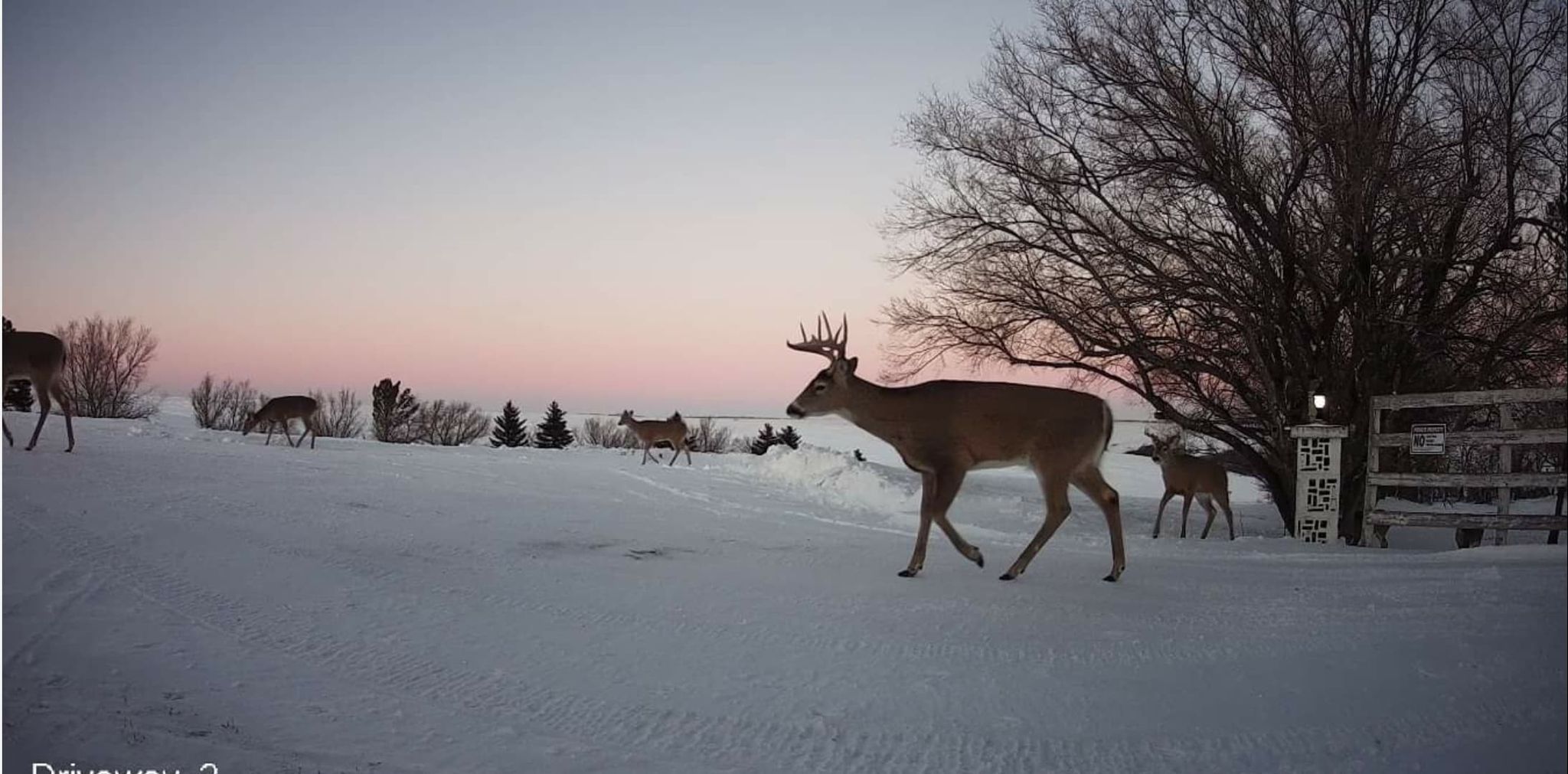
    Birds, raccoons, deer, coyotes, fox, MOOSE, Owls, house cat, bald eagle, hawk, cougar, rabbit, white weasle, and more. We’ve had the pleasure of catching a few photos of some of Saskatchewan’s wildlife wandering through the yard.  We just use our simple outdoor Nest Cam.  These little Critters are always welcome until chickens start going missing then we’ll reevaluate.

    FOX


    COYOTE


    GANGSTER DEER

    DEER FIGHT CLUB


    PHEASANTS

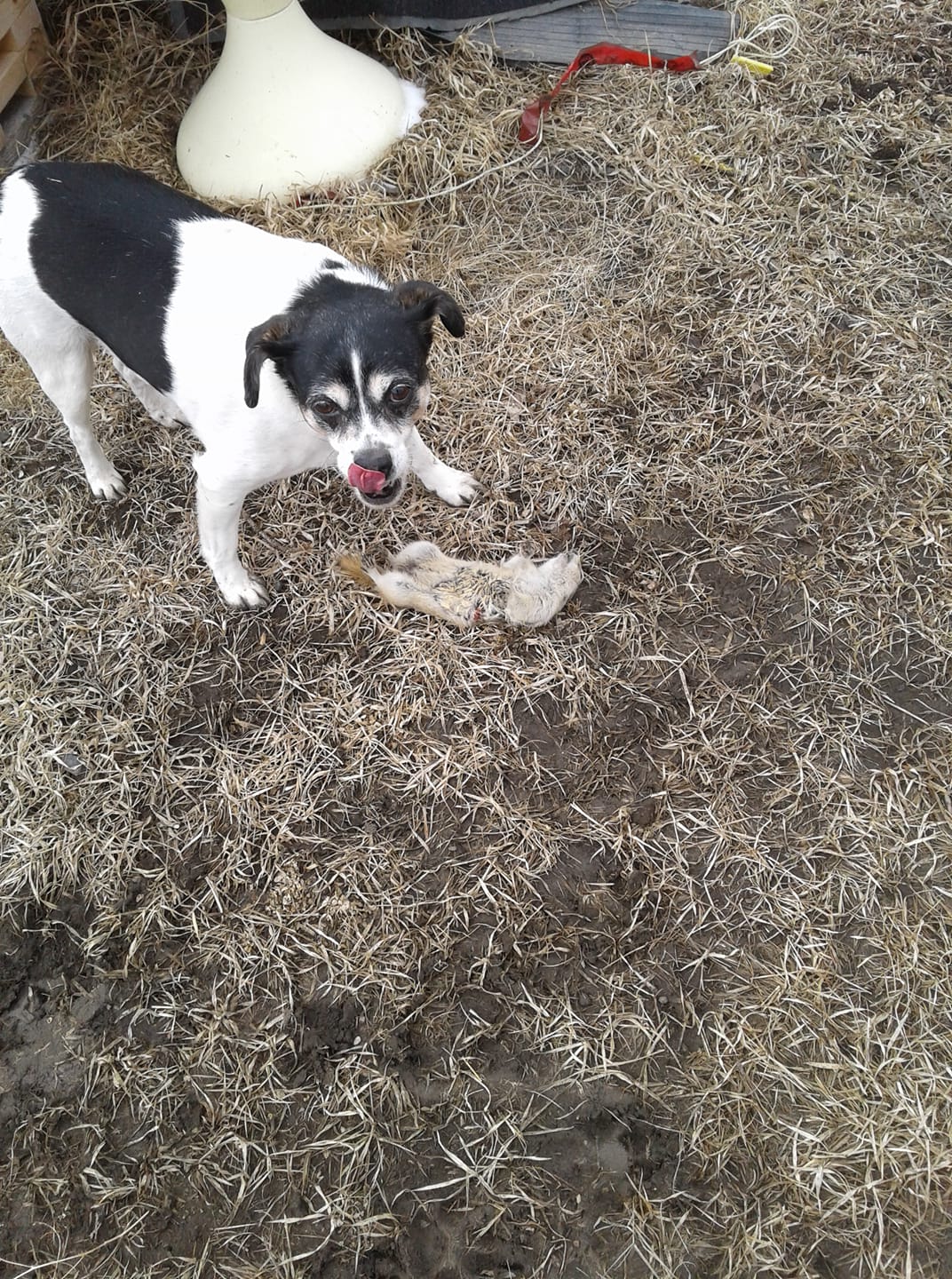
    RYDER AND TROPHY GOPHER
     

    We are itching for the season to start.  The family has already started staying overnight at the farm with the camper furnaces in the campers on overnight. Until the snow of course.

    In the fall over 200 bulbs, were planted. We are very impatiently waiting to see what comes up. Last year we also planted Virginia creeper along 1 side of the fence line, Hollyhocks, Delphinium, and more. We are excited to see what’s going to bloom.

    We bought a used metal/fabric Gazebo just to test it in the violent Saskatchewan wind. Hopefully, it can withstand a year as an outdoor TV room.  We are considering the heavy COSTCO one. We just need everyone to fall in love with the idea first.

    This year our 20 chickens will mainly be providing eggs for Over the Hills Orchard and Winery (A local Lumsden company).

    Seedlings are growing in windows waiting for the farm. This year we are eager to plant an extra-large garden to help supplement the 2 piglets we are raising (spring to fall). You will see pictures of the new pen soon!

    We will be posting more updates about the beginning of the year as the weather changes.

    We are excited about spring!
    Read more on our blog

    See our invention videos

    See more Trail cam photos

  • Winter 2021

    Winter 2021

    Winter 2021

    Lots of snow. Let’s hope some ends up in the dugout.

    This slideshow requires JavaScript.


  • Virginian Tiger Moth (Spilosoma virginica)

    Virginian Tiger Moth (Spilosoma virginica)

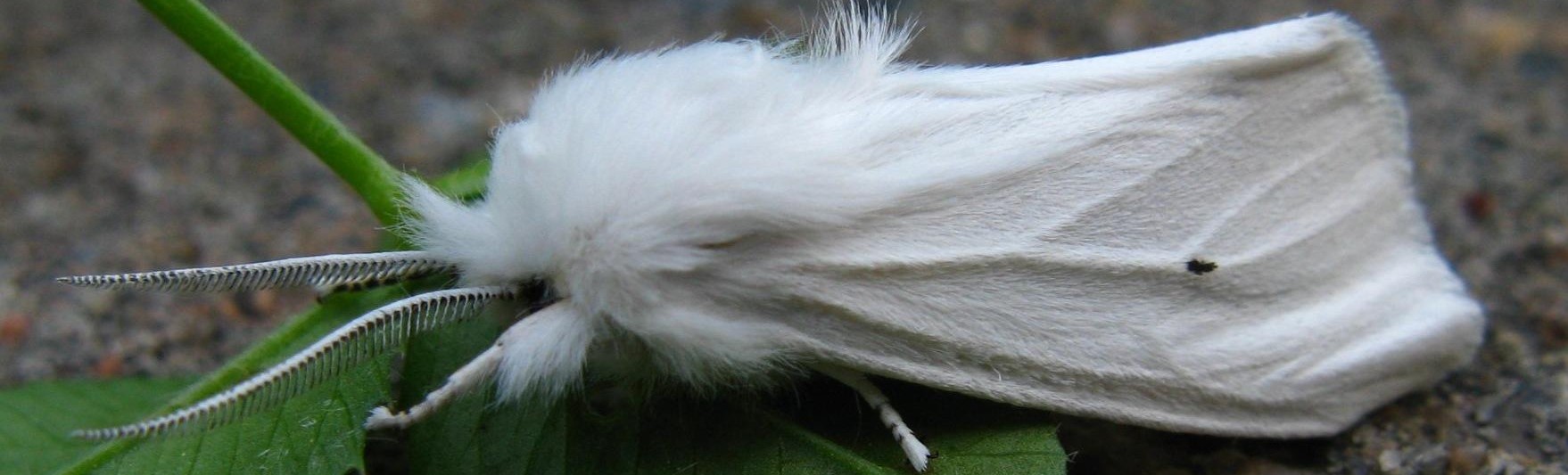
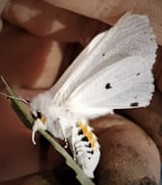
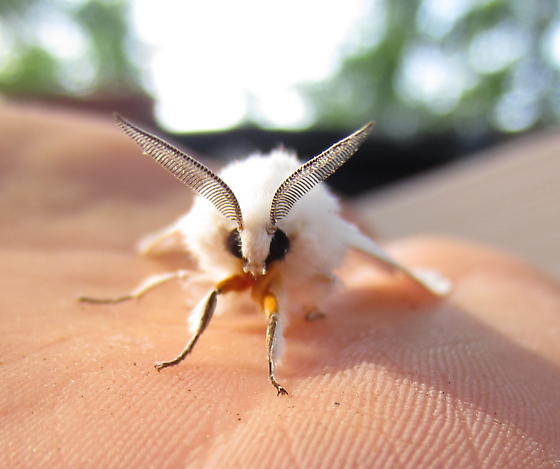
    Pearls magic Princess Moth is actually a Virginian Tiger Moth (Spilosoma virginica). We found it in the garden and fell in love! Excepts it didn’t grant any of her wishes, DANG!

    Spilosoma virginica is a species of moth in the subfamily Arctiinae. As a caterpillar, it is known as the yellow woolly bear or yellow bear caterpillar. As an adult, it is known as the Virginia tiger moth.

    Tiger Moth
    The Tiger moth we found on the farm

    Caterpillar life stage

    Identification 

    The caterpillar varies in color, but is typically consistent in its coloration in a single specimen, without odd tufts of different-colored hair or separately colored heads.

    Diet

    It has a diet of a wide range of low-growing plants, including ground cover like grass and clover. The larvae are defoliators, skeletonizing the leaves they feed on, but only the late summer batch of caterpillars is plentiful enough to do much damage to crops. This species tends to have two to three life cycles per year, with one hibernating for the winter in temperate climates.[2]

    Adult moth life stage

    The adult moth tends to tent its wings over its back, rather than sitting with them spread. It is white with a darker-colored abdomen, but without the obvious, darker eyes of its close cousin the agreeable tiger moth. It is not poisonous, but some people may have an allergic reaction to the bristles on its body.[2]

    Reproduction

    The female is slightly larger than the male in larva form, and as an adult finds a mate by extruding an organ that emits a pheromone which the male can smell. The male, which unlike the female has the large, feathered antennae characteristic of pheromone-using moths, flies zigzag search patterns, eventually homing in on a female. After mating, he goes off to find other females, while the female stops to lay between 20 and 100 eggs in a single layer on the underside of a leaf. The larvae stay together when very young, but become solitary as they gain size.[2]

    Woolly bear caterpillar


    Read more about our adventures in the news


slot

nagatop

kingbet188

SUKAWIN88

SUKAWIN88 Slot